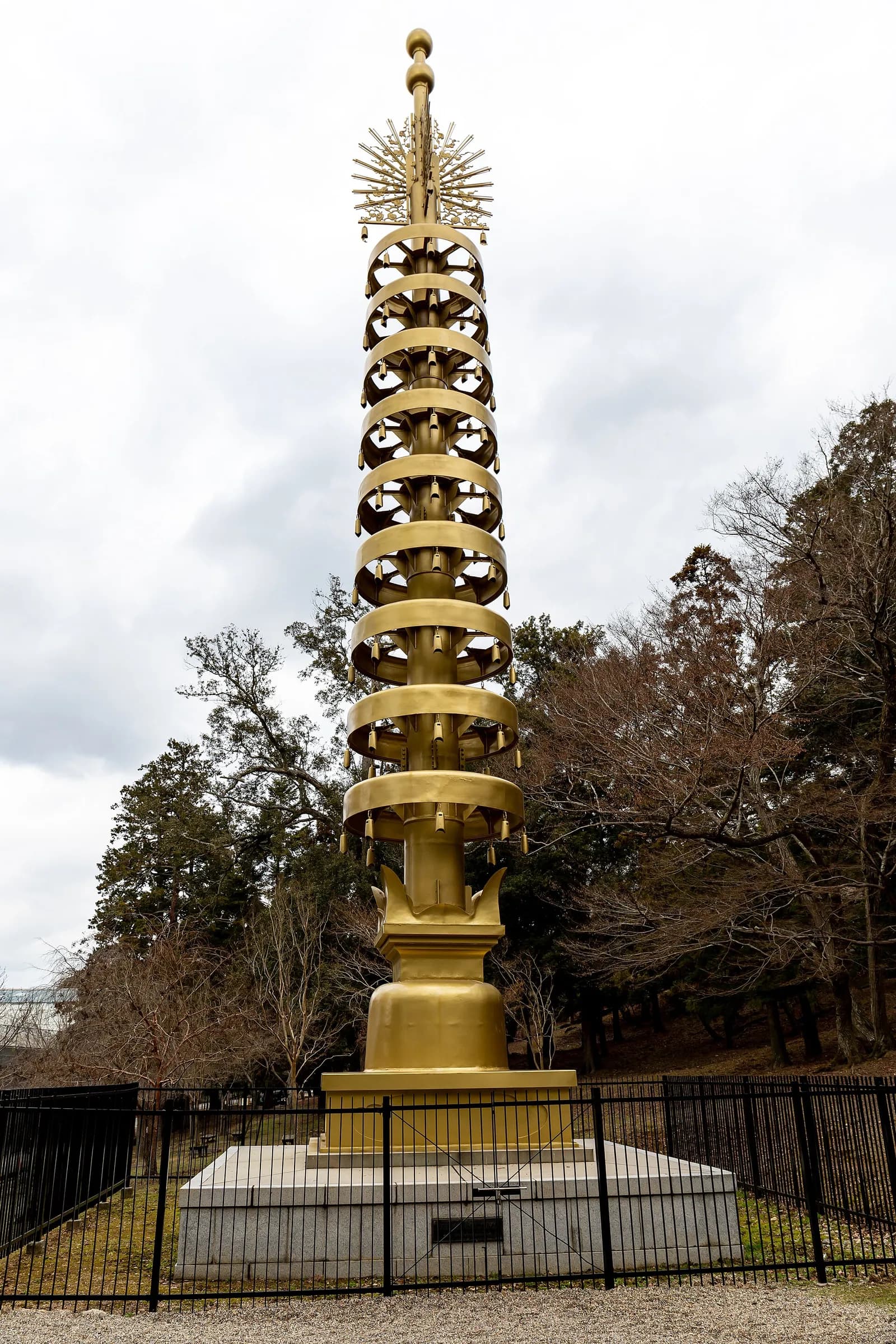
Tōdai-ji
Nara
Tōdai-ji stands as a monumental Buddhist temple complex in Nara, historically revered as one of the powerful Seven Great Temples. Its origins trace back to 738 CE, opening in 752 CE, with an architectural ambition to emulate the grand temples of China's Tang dynasty. Over centuries, Tōdai-ji has demonstrated remarkable resilience, undergoing numerous significant reconstructions, from Minamoto Yoritomo's initiatives in 1181 to critical modern restorations between 1974 and 1980 that secured its structural integrity after a near-collapse in the late 19th century. Visitors are drawn to its magnificent Great Buddha Hall, which proudly houses the world's largest bronze statue of the Buddha Vairocana, famously known as Daibutsu. This colossal figure is a testament to ancient craftsmanship and spiritual devotion. Beyond its architectural grandeur, Tōdai-ji serves as the Japanese headquarters for the Kegon school of Buddhism, cementing its profound spiritual significance. Recognized as a UNESCO World Heritage Site within the "Historic Monuments of Ancient Nara," Tōdai-ji offers a compelling journey into Japan's rich religious and architectural heritage.
Visitor info
- Admission
- ¥800
Map
Book tickets & tours on Klook
Skip the queue with pre-booked tickets. Attractions, day trips, and experiences across Japan.
Browse on Klook →